Window Locks for Older Homes in Bronxville and Lawrence Park
On an older double-hung window, the lock that matters is the sash lock at the meeting rail, where the top and bottom sashes overlap. It should rotate fully closed, pull the two sashes tight together, and be held by screws that bite into sound wood. Add ventilation stops if you want to leave a window open a few inches, and free any painted-shut window rather than relying on the paint. Above all, every lock, stop or guard on a bedroom window must let the people inside open it quickly in a fire. A window lock should never turn a bedroom into a room without a second way out.
How a sash lock works
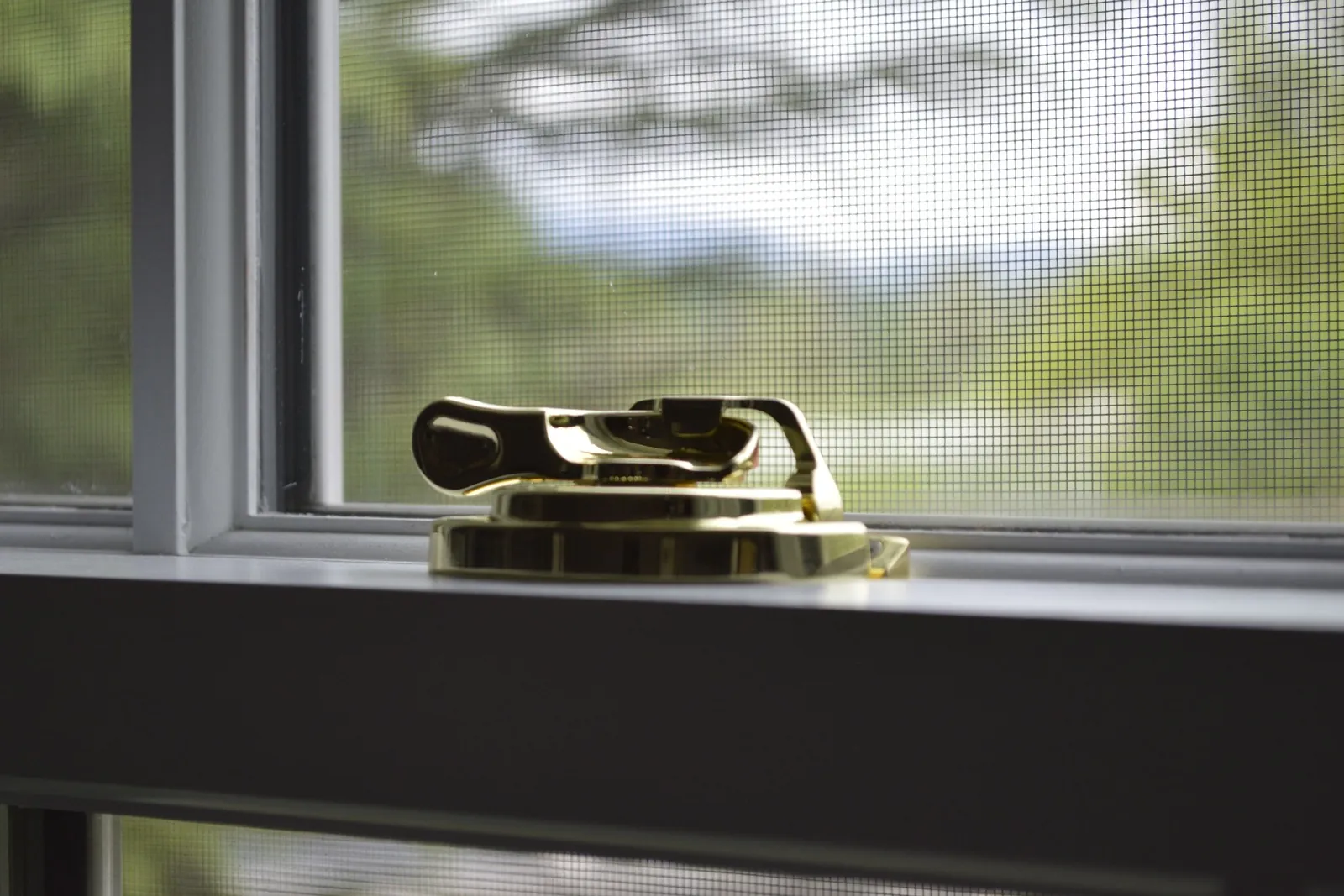
Many older houses in Bronxville, as across Westchester, have double-hung windows: two sashes, one above the other, sliding past each other. The sash lock (often called a crescent or cam lock) sits on top of the meeting rail. One half is screwed to the bottom sash, the other to the top sash. When you turn the lever, a curved cam hooks into the keeper and draws the two rails together.
That does two jobs. It stops the sashes sliding, and it closes the gap between them, which keeps out drafts and stops a blade being slid between the rails to push the cam open.
On an old window, three things usually go wrong:
- The screws are loose. Old wood dries out and the screw holes wear. A sash lock that wobbles can be lifted or levered. Longer screws, or the holes plugged and redrilled, fix it.
- The sashes no longer line up. If the house has settled or the sash cords have stretched, the cam no longer meets the keeper squarely. You have to push the sash to lock it, or it does not lock at all.
- The lock is worn or decorative. Some original brass sash locks are beautiful but loose in the cam. A new lock in the same footprint can often be fitted without changing the look.
Check each window: lock it, then try to lift the bottom sash from inside. It should not move.
Ventilation stops
A ventilation stop lets you leave a window open a few inches without letting it open further from outside. It is a small block or pin fitted in the track above the bottom sash, or a bolt through the sash into the frame.
They are useful on a ground floor window or one above a porch roof that you like to open in summer. They also stop a small child opening a window wide.
On a bedroom window, a stop must be one that someone inside can release by hand, quickly, without a key or a tool. Many stops have a button or a flip lever for this. A stop that is screwed in place, or one that needs a key, does not belong on a window someone might need to climb out of.
Painted-shut windows
Many older houses have windows that have been painted shut for years. It is tempting to think a window that does not open does not need a lock. It does, for two reasons.
The paint seal is weak. A firm push from outside, or a putty knife run along the sash, breaks it. Once it is broken, an unlocked window is just an unlocked window.
The bigger reason is safety. A painted-shut bedroom window is a window nobody can open in a fire. Have the paint cut free, the sash cords or balances checked so the window stays where you put it, and the sash lock put back in working order. Then it opens from inside when you need it and stays locked when you do not.
Bedroom windows are exits
This is the rule that comes before every other one on this page. In a fire, if the bedroom door is blocked by smoke or flame, the window is the way out. So:
- No keyed lock on a bedroom window. A window that needs a key to open is a window nobody will open in time, especially a child at night.
- Window guards on upper floors must have a release. Guards that keep small children from falling are fitted to many upper-floor windows. On a bedroom window, use a type with a quick-release that an adult can open from inside without tools, and show everyone in the house how it works.
- Stops must release by hand. As above.
- Keep the window clear. No furniture fixed in front of it, and an air conditioner unit should not be the only window in the room.
- Basement bedrooms need a way out too. If someone sleeps in a finished basement, the window there matters even more, because it may be the only other exit.
If you are not sure whether a window in your house can be used as an exit, ask your village building department or the fire department. They can tell you what applies to your house.
Casements, basements and storm windows
Not every window in an older house is a double-hung sash.
- Casement windows swing out on hinges and close with a lever latch on the frame, sometimes with a bolt at the top and bottom. Tighten a loose latch and check that it pulls the window firmly into the frame.
- Basement windows are often small hopper or awning windows with a simple latch. They are low, out of sight, and easy to forget. Check that the latch closes fully and the frame is not rotted.
- Exterior storm windows add a second layer. A storm window with its own latches makes a ground floor window much harder to open quietly.
Bronxville and Lawrence Park
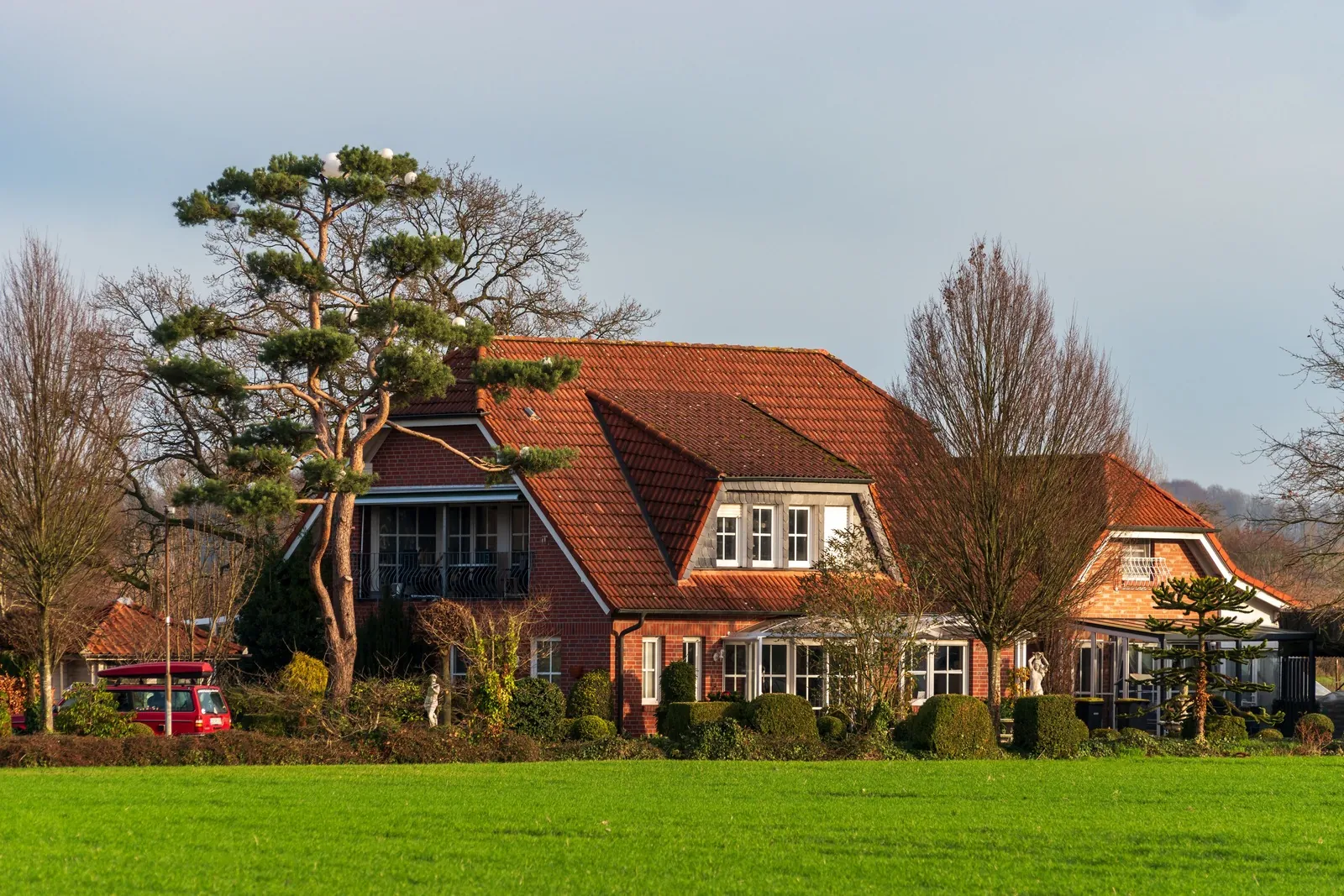
Bronxville is a village in the Town of Eastchester with many older houses. Lawrence Park is a historic district of older houses, many in the Tudor revival style. Those houses tend to have original windows and original hardware, which is part of their character and part of the challenge: old wood, old screw holes, sashes that have moved a little with the house.
Before changing anything visible on the outside of a house in a historic district, ask the village whether any rule applies. Inside hardware, such as a sash lock or a stop, is usually a simpler matter.
Old windows tend to come with old door locks. If your front door has an original mortise lock that sticks, the post on Bronxville mortise lock repair covers repair and replacement while keeping the hardware. A sliding patio door added in a later renovation has its own weak point, covered in the post on sliding door locks.
Larchmont Locksmith NY has three technicians, and one of them lives at the edge of the Bronx, close to Bronxville, Tuckahoe and Eastchester. Our Bronxville locksmith page covers the village, and our residential locks page covers lock repair and replacement around the house.
Frequently asked questions
Are the original sash locks on my windows secure enough?
Often, yes, if they close fully, pull the sashes tight and are held by screws in sound wood. A loose or worn sash lock can be refastened or replaced with a new one in the same footprint. Test each window by locking it and trying to lift the bottom sash.
Can I put a keyed lock on a window?
Not on a bedroom window, or on any window someone might need to escape through. A window that needs a key in a fire is a window that will not open in time. Use locks and stops that release by hand from inside.
Do window guards stop people getting out in a fire?
They can, if they are the wrong type. On a bedroom window, use a guard with a release an adult can open from inside without a tool, and make sure everyone in the house knows how it works.
Should I unstick windows that have been painted shut?
Yes, especially in bedrooms. A painted-shut window is not secure, because the paint seal breaks easily, and it cannot be opened in a fire. Free it, check the cords or balances, and put the sash lock back in working order.
To have older window or door locks checked or repaired, call Larchmont Locksmith NY on (914) 255-6611.