Bronxville Locksmith Guide to Old Mortise Lock Repair
Most old mortise locks that stick in Bronxville houses can be repaired. The usual causes are a door that has dropped on its hinges, decades of dried oil and grit, a tired spring inside the lock body, or a worn key and cylinder. When the lock body itself is finished, a new mortise body of the right size can usually go into the existing pocket in the door, so you keep the original knobs, plates and the door itself. That is ordinary residential lock repair, and it rarely means a new door or a new hole.
Why Bronxville has so many mortise locks
Bronxville is a village in the Town of Eastchester, and a lot of it was built when good front doors were thick, solid and made for mortise hardware. Lawrence Park, the historic district of older houses, many of them Tudor revival, is the obvious example.
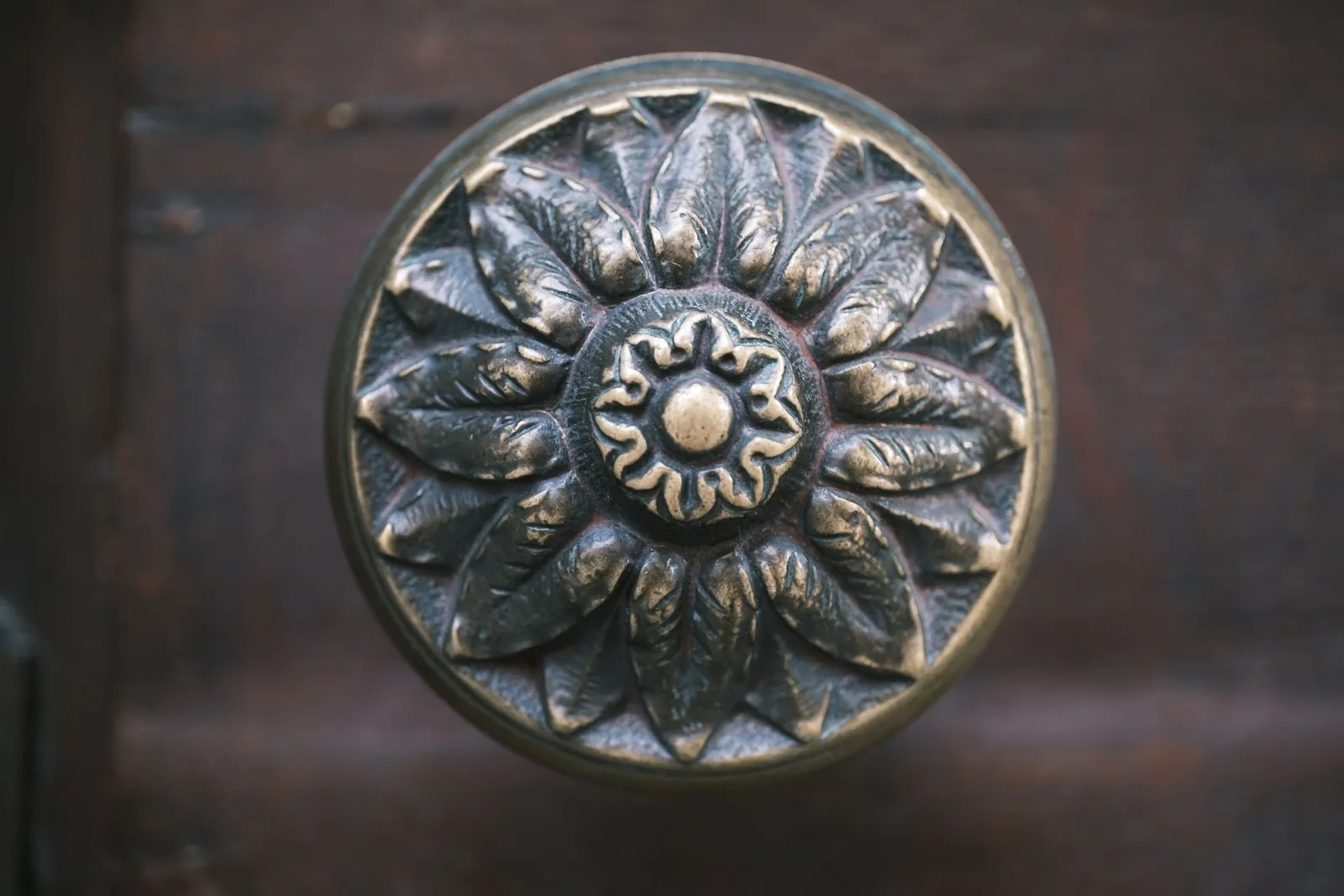
A mortise lock is the kind where the whole mechanism sits in a deep rectangular pocket cut into the edge of the door. From the outside you see a knob or lever, a keyway and often a tall decorative plate. On the edge of the door you see a long faceplate with the latch and the bolt. Many of these locks are still the originals. Some still take a bit key, the long "skeleton" key. Others were fitted with a cylinder at some later point.
They were built to last, and most of them have. When one starts to fight you, it is usually telling you something specific.
How a mortise lock works, and where it wears
Inside the lock body there are two main moving parts.
- The latch is the angled tongue that holds the door shut. The knob turns a square spindle, the spindle turns a hub inside the lock, and the hub pulls the latch back. A spring pushes it out again.
- The bolt is the square deadbolt. A key, or a thumbturn on the inside, throws it into the frame.
On a cylinder mortise lock, the cylinder screws into the front of the lock body and is held by a set screw on the edge of the door, behind the faceplate. On an older bit-key lock, the key lifts a set of flat levers inside the body to let the bolt move.
The parts that wear are the springs, the hub, the levers and the cylinder pins. The parts that move without anyone noticing are the door and the frame.
Why old mortise locks stick
The door moved, not the lock
Houses settle. Doors drop on their hinges. Wood swells in humid weather and shrinks in the dry heat of a heated house in winter. When that happens, the latch rubs the strike plate on the frame, or the bolt binds as it goes into its hole.
The test is simple. Open the door and try the key and the knob with the door standing open. If everything moves freely, the lock is fine and the problem is alignment. Tightening loose hinge screws, sometimes with a longer screw into the framing behind the jamb, or adjusting the strike plate, often fixes it for good.
Dirt and the wrong lubricant
A lock that has been oiled for decades collects grit, and old oil turns gummy. Layers of paint on the faceplate and the strike do not help. The lock gets stiff, then it gets stiffer, and eventually the key will not turn at all.
Do not pour heavy oil into the keyway. It feels helpful for a week and then holds more dirt. A dry lubricant made for locks, such as graphite, is the safer choice for the cylinder. Cleaning the inside of the lock body properly means taking it out of the door.
A tired spring or a worn part
A knob that droops, a lever that will not come back up, or a latch that stays half in are spring problems. Springs inside a lock body that is many decades old have done a lot of work. Many can be replaced. Some old locks use parts nobody makes any more, and then the question is whether a part can be adapted or the lock body needs replacing.
A worn key or cylinder
A key copied from a copy of a copy can be just far enough off to catch. The cylinder pins wear too. A new key cut to the correct depths, or a cylinder that is cleaned and rekeyed, usually solves it. If you also want to make sure old keys stop working, ask about lock rekeying at the same time.
Repair, replace the body, or replace the lock
There are three levels of fix, and you want the lowest one that works.
Repair the lock you have
Clean it, replace springs or worn parts, realign the door and strike, and cut a good key. The door looks exactly as it did. For most sticking locks this is where the job ends.
Replace the lock body and keep the hardware
If the case is cracked or the parts are gone, a new mortise lock body can usually go into the old pocket. The things to match are the backset (how far the knob sits from the edge of the door), the size of the faceplate, the spindle size and the distance between the knob and the keyway. When those line up, your original knobs, rosettes and plates go back on. When they do not quite line up, a new faceplate or a filler can close the gap, and the door still keeps its look.
Replace the lock
Sometimes the whole lock has to go: the case is beyond help, an earlier repair damaged the pocket, or you want a much higher level of security. A mortise lock can take a high-security cylinder with key control, so the upgrade does not have to mean a different style of lock.
What to avoid
Converting a mortised door to a modern bored knob lock leaves a large empty pocket in the edge of the door and weakens the door around the latch. Conversion plates exist to cover the old cut, but the door loses something. It is worth avoiding unless the door is already damaged.
How secure is an old bit-key lock?
Honestly, not very. A bit-key mortise lock has a handful of levers, and the keys are simple. It was fine for its era. Today it is better treated as a latch with a nice key than as a real lock.
That does not mean ripping it out. Many households keep the original lock for its looks and use a separate modern deadbolt for security, or move to a cylinder mortise lock that fits the same pocket. Older houses in Pelham have the same hardware, and the post on Pelham and Pelham Manor lockouts covers what a typical call looks like on that side of the area.
If you live in an apartment or co-op rather than a house, check your lease or proprietary lease before changing anything, and read the guide to apartment and co-op locks in Eastchester and Tuckahoe.
What to tell a locksmith
A few details make the first conversation much more useful:
- A photo of the faceplate on the edge of the door. It often shows the maker and gives a sense of the size.
- A photo of the outside plate and the key. That shows whether it is a bit-key lock or a cylinder lock.
- What it does wrong. The key will not turn, the latch will not pull back, the knob droops, or the bolt binds only when the door is shut.
- Whether you want to keep the original hardware. Say so at the start.
You can send photos through the WhatsApp chat or the quote form on the site. As for geography, one of our three technicians lives at the edge of the Bronx, which puts him close to Bronxville. The Bronxville locksmith page has more about the village.
Frequently asked questions
Can an old mortise lock be rekeyed?
A cylinder mortise lock can be rekeyed like most cylinder locks. A bit-key lock works differently, and changing which key opens it means working on the levers inside the body, so it depends on the lock. Often the better move is a new cylinder mortise body in the same pocket.
Can I keep my original Bronxville door hardware?
Usually, yes. Most of the time the knobs, rosettes and plates can stay while the lock is repaired or the lock body is replaced. Say you want to keep them before work starts.
Should I spray oil into a sticking mortise lock?
No. Heavy oil collects grit and makes the problem worse over time. Use a dry lubricant made for locks in the keyway, and check whether the door has moved before you blame the lock.
Is a skeleton-key lock secure enough for a front door?
Not on its own. Keep it for looks if you like it, and add a modern deadbolt or move to a cylinder mortise lock that fits the same pocket.
If an old mortise lock is fighting you, call (914) 255-6611 and ask about a repair that keeps the door as it is.