Pool Gate Locks in Westchester: What the Code Asks For
In New York, a gate into a residential pool area has to close on its own, latch on its own, open away from the pool, and be locked whenever the pool is not in use or being supervised. Those rules come from New York's residential code (section R326 in the 2020 edition). Your village or town building department can add its own rules on top, so check with them before you buy hardware or change a gate. The lock itself can be keyed or combination. What matters most is that the gate still closes and latches every single time.
What the state code asks of a pool gate
The state rules for a pool gate come down to four things:
- Self-closing. Let go of the gate and it swings shut by itself.
- Self-latching. When it shuts, the latch catches by itself, with nobody pushing it home.
- Opens away from the pool. The gate swings outward, away from the water.
- Locked when the pool is not in use or supervised. A latched gate is not the same as a locked one.
That is the state baseline. Local building departments can require more, and anything beyond those four points is a question to ask them rather than guess. In Scarsdale, ask the village building department. Rye is a city, so ask the city's building department. Do it before the pool opens for the season.
Self-closing and self-latching: the part that wears out
Most pool gates that fail do not fail at the lock. They fail because the gate stops closing or stops latching, and nobody notices because people hold it or pull it shut behind them.
Test yours:
- Open the gate all the way and let go. It should swing shut and latch without help.
- Open it partway and let go. A gate that closes from fully open but stalls from halfway is a common failure.
- Try it from both sides. The latch should catch cleanly every time.
What usually goes wrong:
- Spring hinges lose tension. Many self-closing hinges can be adjusted. Once they cannot, they need replacing.
- The gate sags. A heavy gate pulls on its hinge post over time. The latch drops below its catch and the gate bounces off instead of latching.
- Posts move. Westchester winters freeze, and frost can shift a fence post enough to throw the latch out of line by spring.
- The latch is dirty or bent. Grit, rust or a knock from the lawnmower is enough to stop it catching.
Hinge adjustment, a latch realigned with its catch, or a new latch are reasonable lock and hardware jobs. A leaning post or a broken fence section is work for a fence contractor.
Locking the gate: keyed and combination options
Self-latching keeps the gate shut. Locking keeps it from being opened. You need both.
Keyed latches
Some pool gate latches have a key cylinder built in. Turn the key and the latch cannot be lifted. They are simple and need no batteries. The catch is the key itself: it needs to live somewhere the adults can find it and children cannot.
If the house is being rekeyed anyway, ask whether the gate lock can be keyed to match, so one key does the house doors and the gate.
Combination and keypad locks
A combination or keypad gate lock removes the key problem. Adults know the code, children do not. Pick hardware made for outdoor use, since a pool gate sits in rain, sun and, in Rye, salt air off the Sound. Change the code if a pool service, a former nanny or a neighbour's teenager has it and no longer should.
Padlocks
A padlock through the latch is common and works, with two cautions. It only locks the gate when someone remembers to put it on. And a padlock left hanging on the latch can stop the gate from latching at all, which defeats the point. If you use one, make locking it part of closing up the pool, every time.
The other ways into the pool area
A locked gate does little if the pool area can be reached another way. Walk the yard and look for:
- A door from the house that opens straight onto the patio or deck around the pool. Sliding doors are the usual one, and their latches are weak. Our post on sliding patio door locks covers how to secure them.
- A garage side door that opens into the fenced area. Our guide to garage door locks covers the side door and the door into the house.
- A second gate used only by the pool service or the gardener. It needs the same self-closing, self-latching hardware as the main gate.
If a door from the house or garage opens onto the pool area, ask your building department what it requires for that door.
Scarsdale and Rye
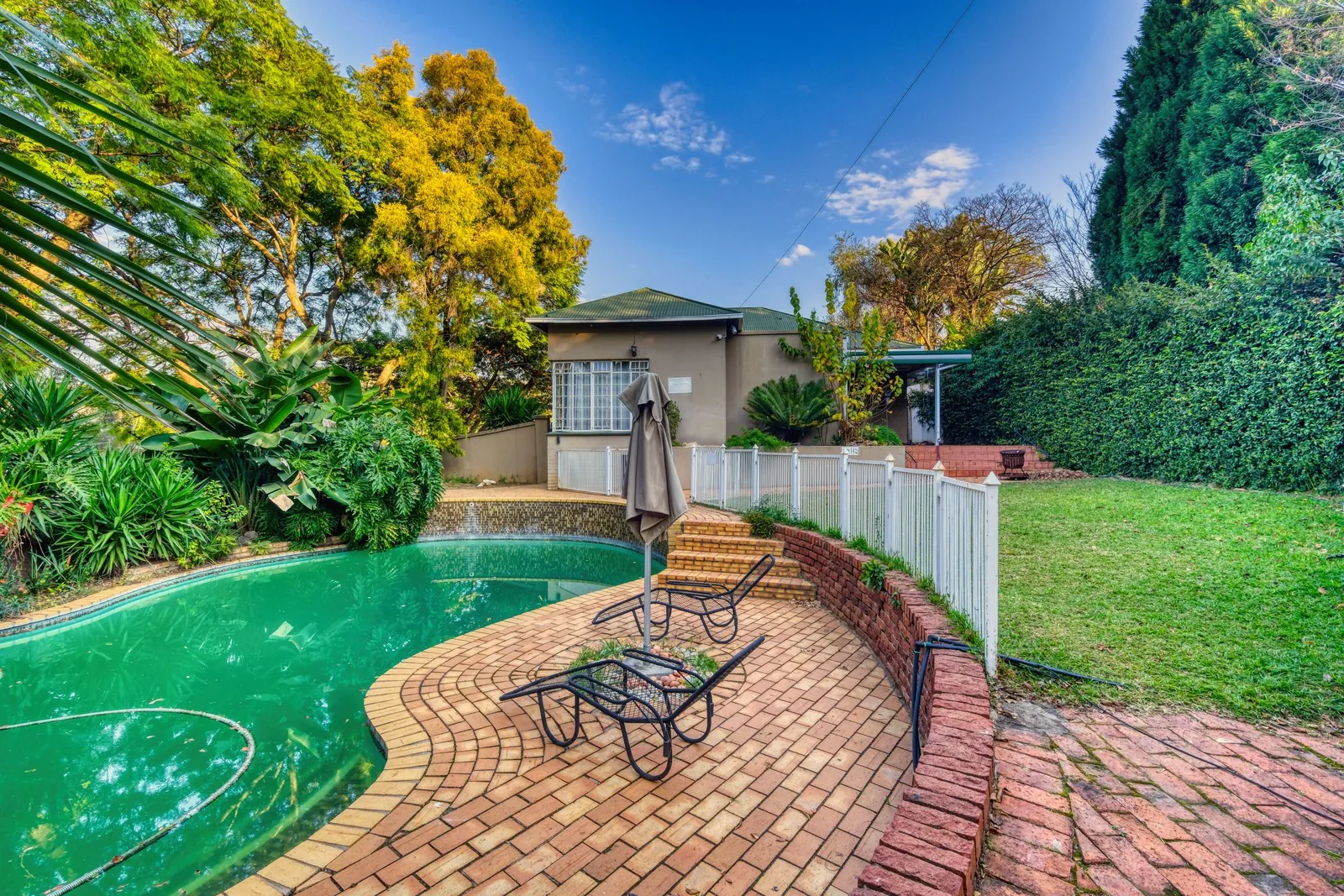
On a large Scarsdale lot or behind a Rye house with a deck and patio, a pool gate is often an afterthought: installed with the fence, then left alone until the hinges sag or the latch stops catching.
Rye sits a little way up the Sound Shore from Larchmont, past Mamaroneck, and two of our three technicians live in Larchmont. Larchmont Locksmith NY handles residential locks in both towns, and the lock on a pool gate is one of them. See our Scarsdale locksmith page and our Rye locksmith page for more on each.
Frequently asked questions
Does a pool gate have to be locked in New York?
Yes, when the pool is not in use or supervised. New York's residential code (section R326 in the 2020 edition) also requires the gate to be self-closing, self-latching and open away from the pool. Your village or town building department may add its own rules.
Is a padlock enough for a pool gate?
It locks the gate, but only when someone puts it on, and it must not stop the gate from latching by itself. A keyed or combination latch does not depend on anyone remembering.
My pool gate will not close by itself. Who fixes it?
If the hinges have lost tension or the latch is out of line, that is hardware work. If the post is leaning or the fence is damaged, call a fence contractor.
How do I know what my town requires for a pool gate?
Ask your village or town building department. The state code sets the baseline, and local departments can add rules on top of it.
To get a pool gate latch or lock sorted before the pool opens, call (914) 255-6611.