Garage Door Lock Security: Side Doors, Keypads and Release
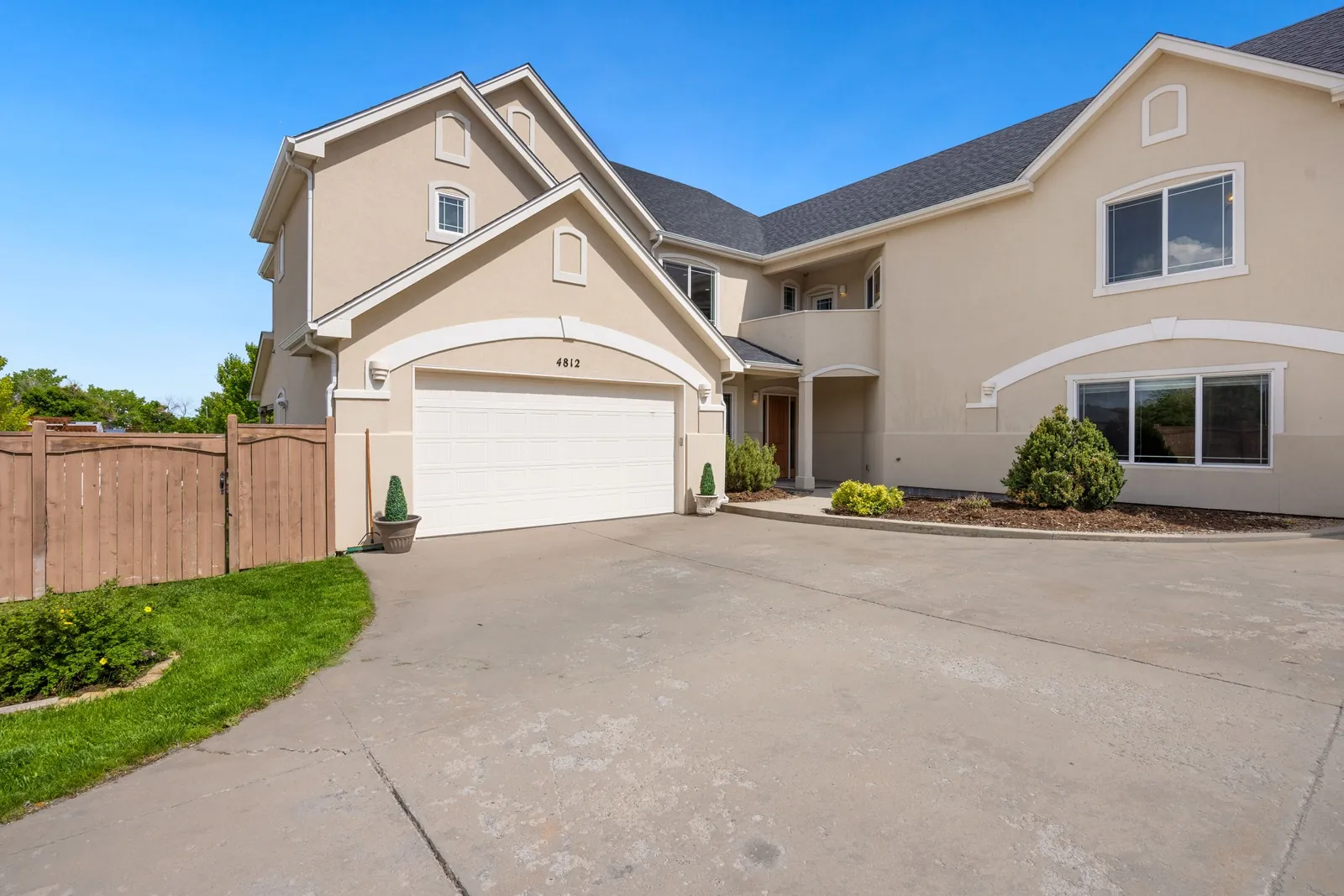
The garage is often the easiest way into a house, because most people secure the big door and forget the rest. Treat the door from the garage into the house like a front door, with a real deadbolt. Lock the garage side door. Fit a shield or guard to the opener's emergency release so it cannot be pulled from outside. Change keypad codes when people stop needing them, and keep garage remotes out of parked cars. On a manual door with no opener, use the door's own lock or a slide bolt on the inside track.
Why the garage gets overlooked
The overhead door is big, heavy and motorised, so it feels secure. Once it is down, people stop thinking about the garage. Meanwhile the garage has a side door that is rarely used, windows that nobody looks at, and a door into the house that is often left unlocked because "the garage is shut".
Someone who gets into the garage is out of sight of the street and has tools on the wall to work with. That is why the door into the house matters so much.
The door from the garage into the house
This is the most important door in this post. Give it the same lock you would put on the front door.
- A deadbolt, not just a knob lock. Many garage-entry doors have only a knob with a push-button lock, which can be slipped or forced quickly. A deadbolt with a full one-inch throw is the minimum.
- A strong strike plate. Long screws through the strike into the framing behind the jamb, not just the trim. The Larchmont Locksmith NY post on changing locks after a break-in explains why a kicked door usually fails at the frame.
- A solid door. Some garage-entry doors are hollow-core interior doors. A solid-core door holds the deadbolt better. Your local building department can tell you if anything applies to this door in your house, since it sits between the garage and the living space.
- Keep it locked. The habit matters more than the hardware. Lock it when you go to bed and when you leave, even if the garage door is down.
The side door
Many garages have a pedestrian door at the side or back. It is used rarely, which means it is rarely checked, and it often faces a side yard nobody can see.
Give it a deadbolt and a proper strike, just like the house door. If the door has glass near the lock, consider a lock positioned away from the glass or security film on the pane. If it is never used from outside, a bolt on the inside with no keyhole at all is simple and cannot be picked.
On a detached garage, the side door is the main way in for anyone after bikes, tools or whatever is stored there. It deserves the same attention.
The emergency release
Every automatic garage door opener has an emergency release: a cord with a red handle hanging from the trolley on the rail. Pulling it disconnects the door from the opener so it can be lifted by hand in a power cut.
The weakness is that on many doors, a hooked wire pushed through the gap at the top of the door can catch that cord and pull it from outside. Once the release is pulled, the door lifts by hand.
The fix is to make the release hard to reach from outside, without making it unusable from inside:
- Fit a release shield or guard, a small cover sold for this purpose that stops a hook catching the lever.
- Shorten the cord so the handle hangs above head height, but still within reach of an adult inside.
- Do not tie the release shut. You need it in a power cut, and you need it if someone is ever trapped.
Keypads, remotes and smart openers
Keypads. An outdoor keypad is convenient and easily shared. Change the code when a contractor finishes, a dog walker stops coming, or a relative moves out. Avoid codes based on your house number or a birthday. Wipe the keypad now and then, because worn or greasy buttons can show which digits are used.
Remotes. A remote clipped to the visor of a car parked on the street, in a driveway or at a station lot opens the garage for anyone who breaks into the car. The registration in the glovebox gives the address. Keep the remote on your key ring, or use the opener's phone app if it has one. If a remote is lost or stolen, clear the opener's memory and reprogram the remotes you still have.
Smart openers. If your opener connects to an app, remove old users, use a strong password on the account, and turn on alerts for when the door opens.
Before a trip. Many wall consoles have a lock or vacation setting that disables remotes. Our home security checklist before travel covers the garage along with the rest of the house.
Manual garage doors
Some garages, especially older detached ones, have a door with no opener. They usually lock in one of two ways:
- A T-handle lock on the outside, turning bars that slide into the side tracks. It is keyed, and the cylinder can often be replaced or rekeyed like any other lock.
- A slide bolt or a padlock hasp on the inside track, through a hole in the track so the door cannot rise.
If you later fit an opener, remove or disable any manual bolt first. An opener running against a locked door can damage the door, the opener or both.
The garage windows matter too. Frosted film or a simple cover keeps people from seeing whether the car is there. Basement and house windows have their own weak points, covered in our post on window locks in older homes.
Harrison and Eastchester
Harrison and Eastchester both have many houses with attached or detached garages. Harrison sits just north of Mamaroneck and Rye, a short drive from the two technicians who live in Larchmont. Our Harrison locksmith page covers the town and village, including West Harrison and Purchase. Our third technician lives at the edge of the Bronx, which puts him close to Eastchester, Bronxville and Tuckahoe. See our page for locksmith service in Eastchester.
We fit deadbolts on garage-entry and side doors, and rekey or replace their locks, as part of our residential lock work. Service starts at $125, and we are open 24/7.
Frequently asked questions
Does the door from the garage into the house need a deadbolt?
Yes. Treat it like a front door. A knob lock alone is easy to slip or force, and a person inside the garage is out of sight and has time. A deadbolt with a full one-inch throw and long strike screws is the minimum.
Can someone open my garage door from outside with a coat hanger?
On many doors with an automatic opener, a hooked wire through the gap at the top can catch the emergency release cord. A release shield stops this. Do not tie the release shut, because you need it in a power cut.
Should I rekey the garage when I move into a house?
Yes. Rekey the side door, the door into the house and any T-handle lock, clear the opener's memory, and change the keypad code. The previous owners and anyone they gave a code or remote to should lose access.
What should I do if my garage remote is stolen?
Clear the opener's memory, usually with a learn button on the motor unit, and reprogram only the remotes you still have. If the remote was taken from a car with the registration in it, lock the door from the garage into the house and consider rekeying it.
To have a garage-entry door, side door or garage lock checked or replaced, call (914) 255-6611.