Keypad and Fob Entry for Small Apartment Buildings
For most small apartment and mixed-use buildings, the street door is where keyless entry earns its keep, and the apartment doors are where plain keyed locks still make sense. A keypad is the simplest step up from keys: no keys to collect when a tenant leaves, just a code to change, but codes get shared. A fob or card system costs more to put in, yet each tenant's fob can be switched off on its own, and many systems record who came in and when. Whichever you choose, one named person has to own the list of codes or fobs, or the system drifts back into the problem you bought it to solve.
Three ways through the street door
Keys
Keys are cheap, need no power and never go offline. Their weakness is turnover. Every tenant who leaves takes with them the knowledge of how many copies they made. In a building with one shared street door, each departure means rekeying that cylinder and cutting new keys for every remaining tenant, or living with keys you cannot account for.
Keys still suit a building with a handful of long-term tenants and little turnover. Put the street door on a restricted keyway so copies cannot be cut at a hardware store counter, and keep a key log.
Keypads
A keypad lock replaces the outside key with a code. The simplest versions are battery-powered keypad levers or deadbolts that fit a standard door prep. Larger setups put a wired keypad beside the door and release an electric strike.
What keypads do well:
- No keys to collect. A tenant leaves, you delete or change their code.
- Codes per tenant. Better keypads hold many separate user codes, so each household gets its own.
- Temporary codes. A contractor or cleaner gets a code that you delete when the job ends.
What keypads do badly:
- Codes travel. A code is easy to share with a friend, a dog walker or a delivery driver, and you will not know.
- Worn buttons. After a while, the four most-used buttons are visibly shinier than the rest.
- One shared building code is barely better than a key under the mat. If you use a keypad, use one code per unit.
Fobs and cards
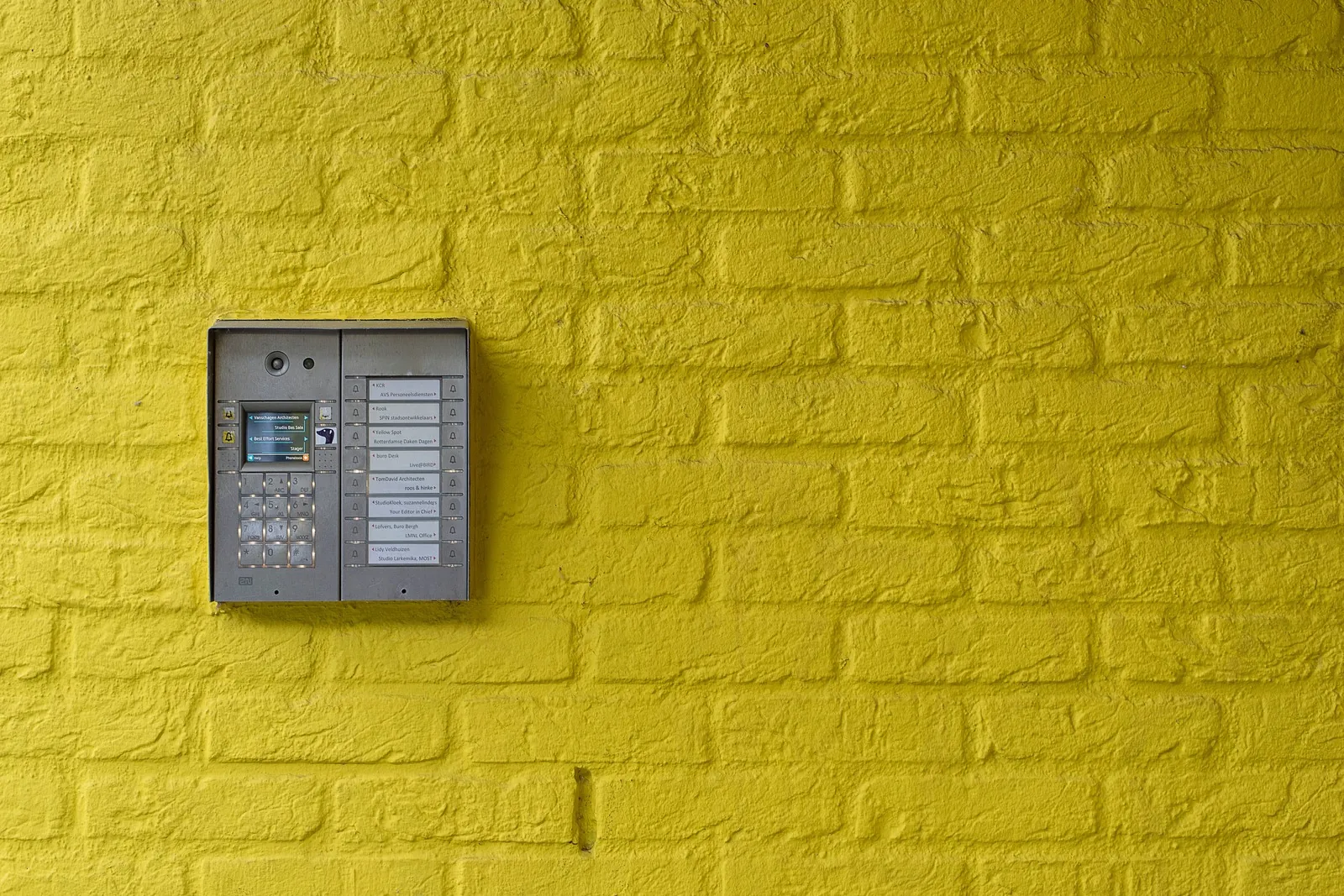
A fob or card system has a reader by the door, a controller and an electric strike or magnetic lock. Each fob is enrolled in the system, and each can be disabled without touching the others.
What fobs do well:
- A lost fob is deleted, and nothing else changes.
- Each fob belongs to one unit, so you know whose fob opened the door.
- Logs. Many systems record each entry, which helps when a package goes missing or a door is propped open.
- Schedules. A shop's staff fobs can work only during business hours.
The trade-offs are cost, the need for power and wiring, and someone who knows how to run the software. Cloud-managed systems let a manager add and remove fobs from a phone, which is convenient right up to the point that nobody knows the admin login.
Which doors get which
In a small building there are usually more doors than people first count.
- The street door. The best place for a keypad or fob, since every tenant uses it and it changes hands most often.
- A rear or side door. Often forgotten. If the street door has a fob reader and the back door still takes the old key, the old key is still a way in.
- Shared rooms. Laundry, storage or a package room can sit on the same fob system, or on a keyed lock held by the super.
- Apartment doors. Keyed locks are still the norm here, and they are simpler for everyone. Changing a unit lock raises its own questions about tenants and landlords, which our post on whether a tenant can change the locks in New York covers.
Mixed-use buildings need one more decision. If a shop at street level shares a wall and a back hallway with the apartments upstairs, keep the shop's access and the residents' access separate. The shop's staff should not hold the residents' code, and the residents should not hold the shop's.
Who manages the codes
The most common failure is not the hardware. It is that nobody owns the list.
Decide, in writing, who manages access: the owner, the super or the management company. That person keeps:
- A list of every code or fob, which unit it belongs to and when it was issued.
- The admin login for the system, stored where the next manager can find it.
- The mechanical override key, if the door has one.
If the building changes management companies, hand over the admin login and the override key on the same day as the rent roll. A fob system whose only admin has moved on is a locked system nobody can change.
When a tenant moves out
Here is what turnover looks like with each option:
- Keys: collect every key, and rekey the street door if you cannot account for every copy. In a building with several shared doors, a small master key system makes this simpler. Our guide to master key systems for White Plains offices explains how those hierarchies work, and the same logic applies to a small residential building.
- Keypad: delete that unit's code the day the tenant leaves and issue a new one to the next tenant. If you use one code for the whole building, change it and tell every remaining tenant.
- Fobs: collect the fobs and disable them in the system anyway. A fob handed back is still a working fob until it is switched off.
Whichever system you use, the apartment door itself still needs its own turnover, usually a rekey.
Power, batteries and the override
Electronic entry needs a plan for when the electronics do not work.
- Battery keypads warn before the batteries die. Change them on a schedule, not when the warning starts.
- Wired readers stop working in a power cut unless there is battery backup.
- Every electronic door needs a mechanical override, usually a key cylinder. Keep that key on a restricted keyway and in very few hands, or it becomes the easy way in.
Electric strikes and magnetic locks come in versions that unlock or stay locked when power is lost. Which one a door may use, and how people must be able to get out, depend on the fire code and the building department, not on the installer's preference. Ask the city or village building department before you change hardware on a door people use to leave the building.
New Rochelle buildings
Downtown New Rochelle has many new high-rise apartment buildings, and those usually come with their own entry systems run by management. Away from the towers, the city also has smaller buildings: a handful of apartments, sometimes over a shop, sharing one street door. Those are the buildings where an owner is choosing between keys, a keypad and fobs, often while a tenant is moving out.
New Rochelle sits between our two home bases: Larchmont, where two of the technicians live, and the edge of the Bronx, where the third does. Larchmont Locksmith NY handles commercial locks and access control for small buildings, along with the keyed locks behind the street door. See our New Rochelle locksmith page for more on the city.
Frequently asked questions
Is a keypad secure enough for an apartment building's street door?
It can be, if every unit has its own code and you delete codes when tenants leave. A single code shared by the whole building spreads quickly and is hard to control. If you need to know whose credential opened the door, fobs are the better choice.
What happens to a fob system in a power cut?
It depends on the hardware. Some locks release when power is lost and some stay locked, and battery backup keeps the reader running for a while. Every door should also have a mechanical override key held by a very small number of people.
Can I put a keypad on the street door and keep keys for the apartments?
Yes, and that is the most common setup in small buildings. The street door changes hands most often, so it benefits most from codes or fobs. Apartment doors stay on keyed locks and get rekeyed at turnover.
Who should manage the codes in a small building?
One named person: the owner, the super or the management company. That person keeps the list of codes or fobs, the admin login and the override key, and hands all three over if management changes.
To talk through keypad or fob entry for a small building, call (914) 255-6611.