Smart Lock Installation on Older Doors in Westchester
Most smart locks are built for a modern door: roughly 1-3/8 to 1-3/4 inches thick, with a standard round deadbolt hole. Many older Tudor and colonial doors in Larchmont and Scarsdale are thicker than that, or carry a mortise lock set into a pocket in the door edge. That does not rule out a smart lock. It narrows the choice to three types: an interior retrofit that fits over the deadbolt you already have, a full smart deadbolt where the door has, or can take, a standard hole, or a smart mortise lock or handleset made for the pocket in the door. Whichever you choose, keep a working physical key.
Why older doors are different
Smart lock boxes assume the door was made recently. Older front doors break those assumptions in a few predictable ways.
- Thickness. Solid wood doors on older houses are often thicker than the range a smart deadbolt is designed for. Some makers sell a kit for thicker doors. Many do not. The supported thickness is printed in the specifications, so check before you buy.
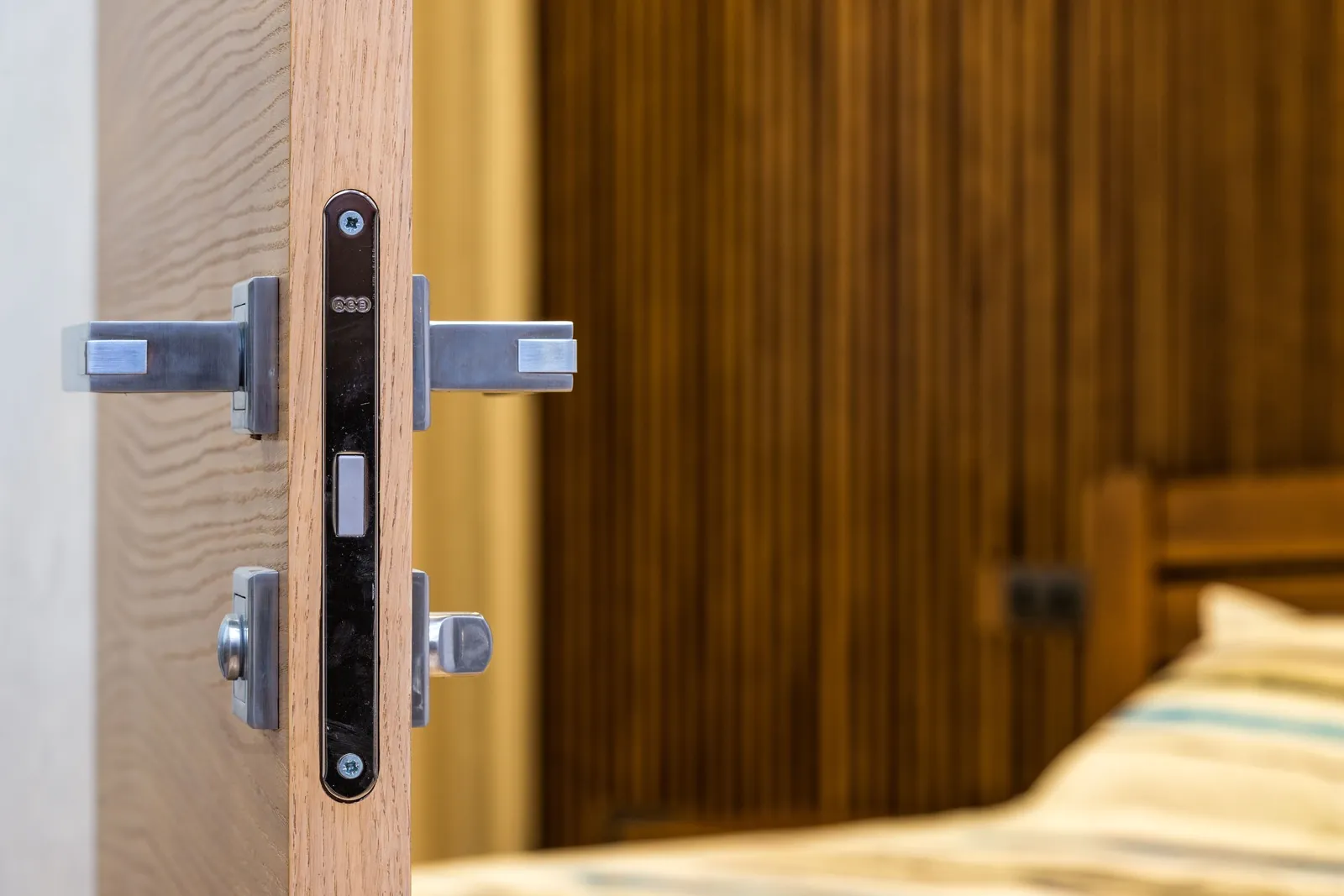
- Mortise locks. Instead of a round deadbolt hole, many older doors have a rectangular lock body inside the door edge, with the latch and the bolt in one case and a handle or knob on each side. A standard smart deadbolt has nowhere to go.
- Handlesets. A thumb-latch handle on the outside, often paired with a mortise lock, is common on Tudor entries. The smart lock has to work with that hardware or replace it.
- Alignment. The motor in a smart lock is weaker than your wrist. A bolt that you can force into a misaligned strike with a key will stall the motor, drain the batteries and leave the door unlocked while the app says it tried. Old doors that have sagged or swell in humid weather are the usual culprits.
That last point matters more than the brand you pick. Before any smart lock goes on, the bolt should slide into the strike without rubbing, with the door closed, on a humid day. The fixes are the same as for any deadbolt: a properly deep strike hole, a strike that lines up, and long screws into the framing. Our post on deadbolt installation for older Larchmont doors goes through them.
Three retrofit types that fit older doors
Interior retrofit over your existing deadbolt
This type replaces only the thumbturn on the inside of the door. The outside of the door does not change, so your existing key still works, and the original or exterior hardware stays as it is. The motor turns the thumbturn for you.
It is the easiest fit on a door that already has a standard deadbolt in good condition. It is also the least visible, which suits a house where the front door hardware is part of the look. It needs a deadbolt that turns smoothly, since the motor is small.
Full smart deadbolt with a keypad
This replaces the whole deadbolt, inside and out, usually with a keypad on the outside. It needs a standard round bore through the door and a door within the supported thickness.
If your older door has no deadbolt at all, or has one in a non-standard hole, installing a full smart deadbolt means boring a new hole. On a thick old door, that hole has to clear any mortise pocket and land in solid wood. Done carefully it works well. Done carelessly it splits the door edge.
Smart mortise locks and smart handlesets
Some manufacturers make smart locks in a mortise format, built to fit a pocket in the door edge, and some make smart handlesets that pair a keypad or motor with a thumb-latch handle. These keep the door working the way it was designed to.
The catch is fit. Mortise pockets vary in size, and the distance from the door edge to the centre of the lock (the backset) varies too. Measure the existing lock body, not the trim. Sometimes the old mortise case comes out and the new one goes into the same pocket with little or no wood removed. Sometimes the pocket needs adjusting. A locksmith can tell which once the old lock is out.
Batteries, cold and the physical key
Most smart locks run on AA batteries and warn you, through the app or a light on the lock, when they are getting low. Do not ignore the warning. Westchester winters are cold, and batteries lose capacity in the cold, so a lock on an exposed front door may drain faster from December to March than it does in July.
Plan for the day the batteries die anyway:
- Keep a key that works. Choose a model with a keyway, cut a few spare keys, and leave one with a neighbour or a family member nearby. A smart lock without a backup key turns a dead battery into a lockout.
- Know the emergency power option. Some keypad locks have terminals under or on the keypad for a 9-volt battery, which wakes the lock long enough to enter a code. Find out whether yours does before you need it.
- Do not rely on the app alone. Phones die, and Wi-Fi drops.
A smart lock is also only as strong as its cylinder and the frame behind it. Many smart deadbolts use an ordinary pin-tumbler cylinder for the backup key. If key control or pick resistance matters to you, especially on a large house with several entries, read our guide to high-security locks in Scarsdale before you settle on a model.
Wi-Fi, apps and old walls
Thick plaster, stone and brick walls in older houses can weaken a Wi-Fi signal at the front door. Many smart locks talk to your phone over Bluetooth and need a small bridge plugged into an outlet nearby to reach the internet. If remote locking or alerts are the reason you are buying, test the signal at the door first.
A few habits make a smart lock useful rather than just new:
- Give each person their own code, so you can delete one without changing everyone else's.
- Delete codes for cleaners, contractors and dog walkers when the work ends.
- Use auto-lock if your household leaves by the front door. Turn it off if people go in and out to the garden all day, or you will be locked out on the step.
- If you rent, or live in a co-op, ask the landlord or board before you change a lock. Many buildings require a key on file.
Larchmont, Scarsdale and the houses in between
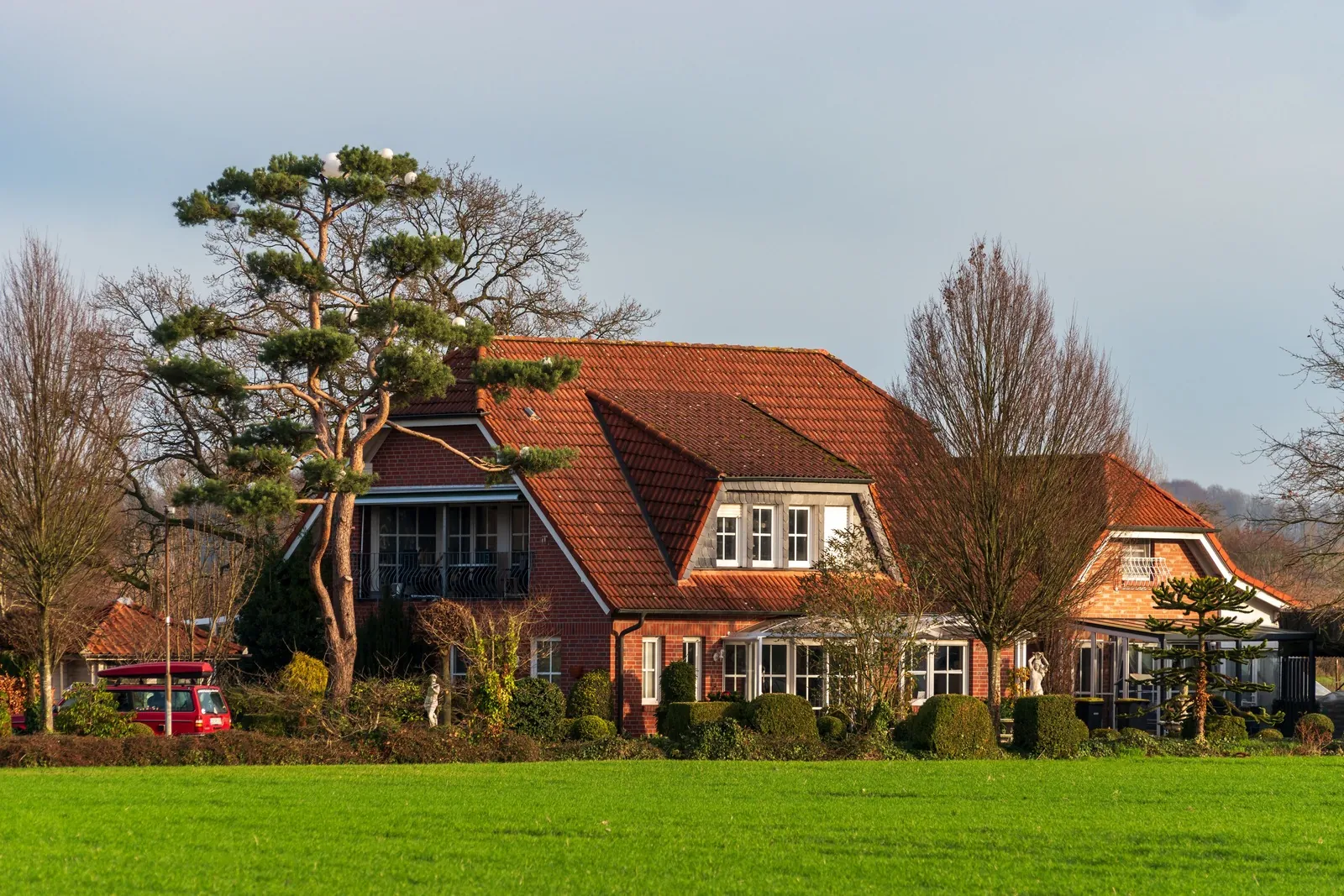
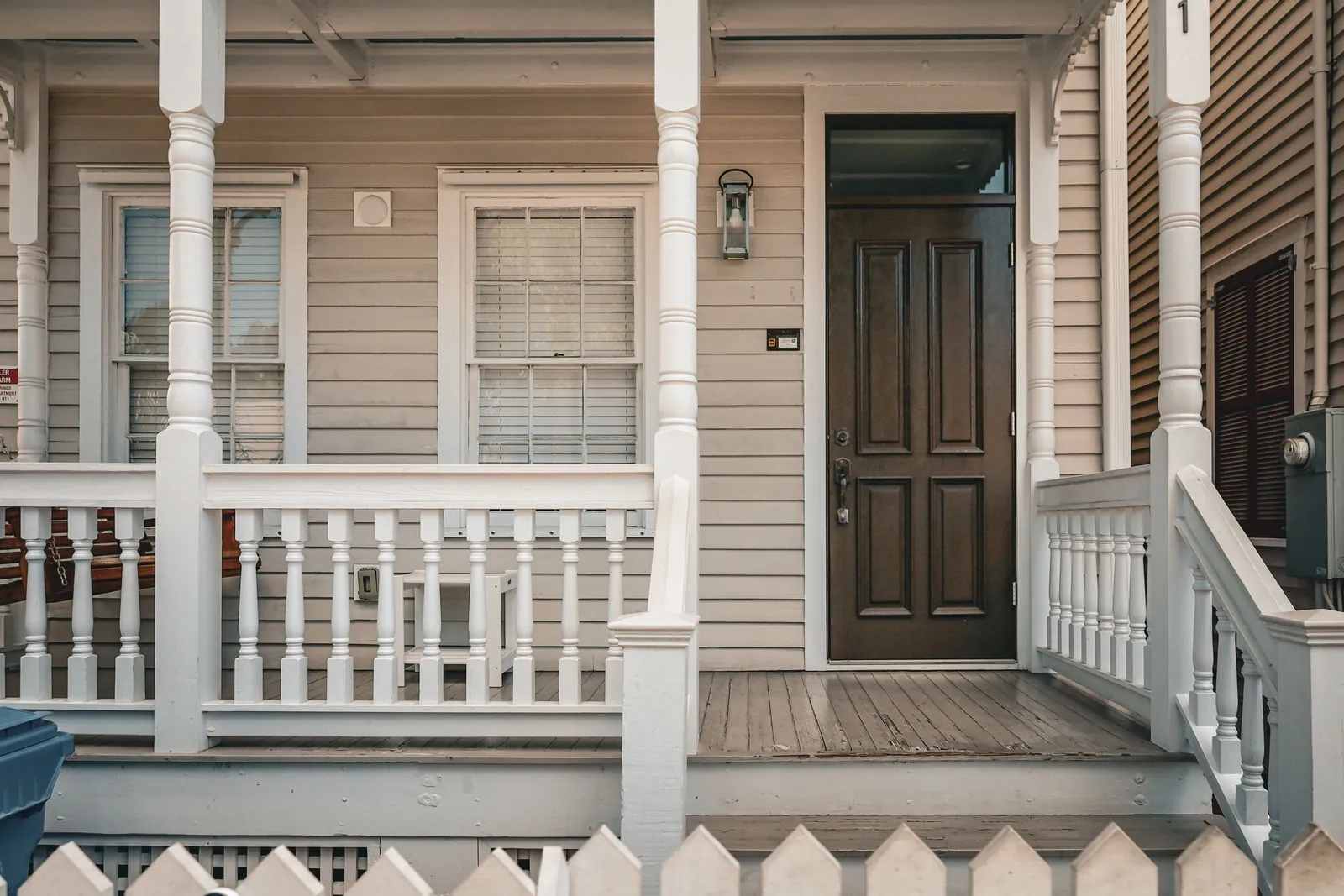
In Larchmont, the common case is a Tudor or colonial front door with original hardware that the owner wants to keep. An interior retrofit or a smart mortise lock usually suits it better than drilling a new hole. The Larchmont locksmith page covers the village, where two of our technicians live.
In Scarsdale, the houses are often large, with a front door, a side door, a mudroom entry from the garage and sometimes a back terrace door. Not every one needs a smart lock. A common setup is one smart lock on the door the family uses most, with the other doors keyed alike to a single key. The Scarsdale locksmith page has more on the town.
Larchmont Locksmith NY handles smart lock installation across the twelve Westchester towns we cover, alongside deadbolts, rekeying and high-security locks.
What to check before you buy
Ten minutes with a tape measure saves a return trip to the store.
- Measure the door thickness at the edge.
- Look at the door edge. A small round bolt with its own plate usually means a standard deadbolt. A tall rectangular faceplate with the latch and bolt in one plate usually means a mortise lock.
- Measure the backset, the distance from the door edge to the centre of the keyhole or knob.
- Check the bolt. With the door closed, does it slide into the strike without forcing?
- Photograph both sides of the door and the edge. Photos make any phone call, quote form or WhatsApp chat about the job much faster.
Frequently asked questions
Can I put a smart lock on a door with a mortise lock?
Yes, with the right type. An interior retrofit works if the door also has a standard deadbolt. Otherwise look for a smart mortise lock or smart handleset that fits the existing pocket and backset.
Will a smart lock fit a thick older door?
Sometimes. Most smart deadbolts list a supported door thickness, and some offer a kit for thicker doors. Measure first, then check the specifications.
What happens when the batteries die?
You use the physical key, or the emergency 9-volt terminals if your lock has them. That is why a model with a keyway and a spare key kept nearby matters more than any app feature.
Is a smart lock less secure than a regular deadbolt?
Not necessarily. Its security depends on the same things as any deadbolt: the grade of the lock, the cylinder, the bolt throw and the strike. A smart lock on a weak frame is as weak as a regular lock on that frame.
To talk through a smart lock for an older door in Larchmont, Scarsdale or nearby, call Larchmont Locksmith NY at (914) 255-6611.