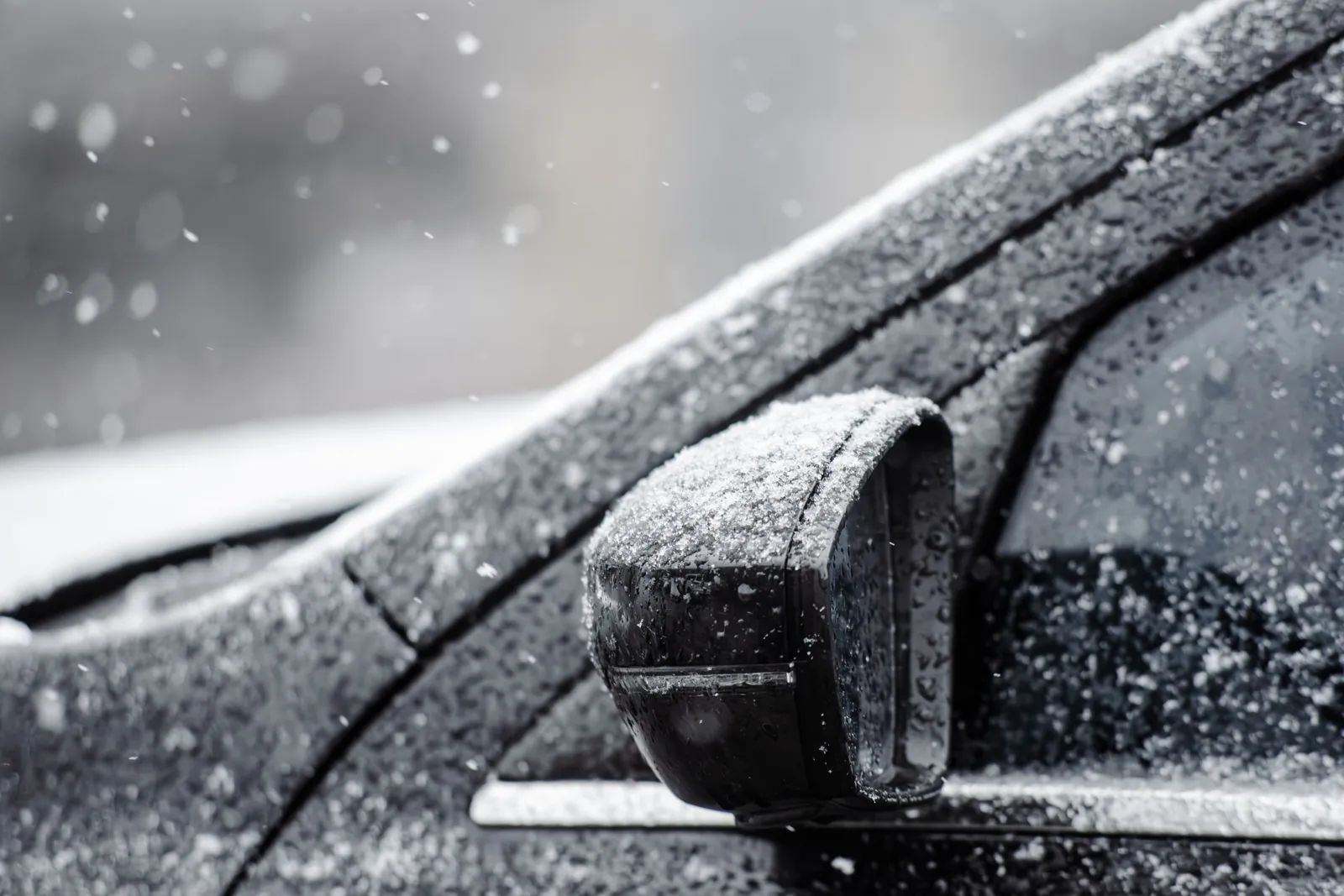
Frozen Car Door Lock in Westchester: What to Try First
A frozen car door lock usually opens with a squirt of lock de-icer, a key warmed in your hand and some patience. Try the other doors and the trunk first, because often only one cylinder or one rubber seal has iced up. Never pour hot water on the lock or the glass. If the key will not turn after a fair try, the key snaps, or your keys are sitting on the seat behind a door that will not open, that has become a lockout, and Larchmont Locksmith NY takes those calls at any hour.
Is it the lock or the door that is frozen?
Two different problems feel the same on a dark driveway in January.
- A frozen lock. The key goes in partway, or goes in and will not turn. Water got into the cylinder from rain, a car wash or melting snow, then froze around the small wafers inside.
- A frozen door. The key turns, or the fob clicks and you hear the locks move, but the door will not pull open. That is the rubber weather seal stuck to the frame with ice. It is not a lock problem at all.
For a frozen door, press firmly with the flat of your hand around the edge to crack the ice, then pull. Do not yank the handle as hard as you can. Door handles are mostly plastic, and cold plastic breaks.
What to try, in order
- Try every door, then the trunk or hatch. The side that faced away from the wind overnight is often fine.
- Use the fob. Most cars from the last couple of decades rarely need the key cylinder. Coin batteries lose strength in the cold, so if the fob seems weak, warm it in your pocket and hold it right next to the handle.
- Lock de-icer. A small tube of alcohol-based liquid with a nozzle that fits the keyway. Squirt, wait, then try the key gently. Keep it in your coat or by the front door, not in the glovebox, for obvious reasons.
- Warm the key. Hold the blade in your fist or breathe on it, push it in, and wait before you turn. Repeat a few times.
- Hand sanitizer in a pinch. An alcohol-based gel on the key blade does a rough version of what de-icer does.
- Remote start, if you have it. Running the engine for a while warms the doors from the inside.
Whatever you try, turn the key gently. A frozen cylinder with a key forced through it is how keys snap.
What never to do
- Hot water. It melts the ice for a moment, then runs into the lock and the door and refreezes harder, often sealing the door as well. On a very cold morning, hot water on cold glass can also crack it.
- A lighter on the key. The head of most car keys is plastic with a transponder chip inside. A flame can melt the one and ruin the other.
- Forcing the key. If the blade starts to bend, stop. A broken blade stuck in the cylinder turns a nuisance into a job for a locksmith.
When a frozen lock becomes a lockout call
Call for help when the keys are inside and every door is locked or frozen, when a key has snapped off in the door, when the fob is dead and the hidden key blade will not turn the cylinder, or when it is late and very cold and there are kids or someone unwell with you.
A car lockout is part of our emergency lockout service, alongside homes and businesses. When you call, give the make, model and year, where the car is parked, whether the keys are inside, and whether a key broke in the lock.
Expect to be asked to show that the car is yours, usually photo ID and the registration. If the registration is in the glovebox of the locked car, say so on the phone. Any careful locksmith will want to see it once the door is open.
The fob in a Sound Shore winter
Most winter fob trouble is avoidable, and the fixes are cheap.
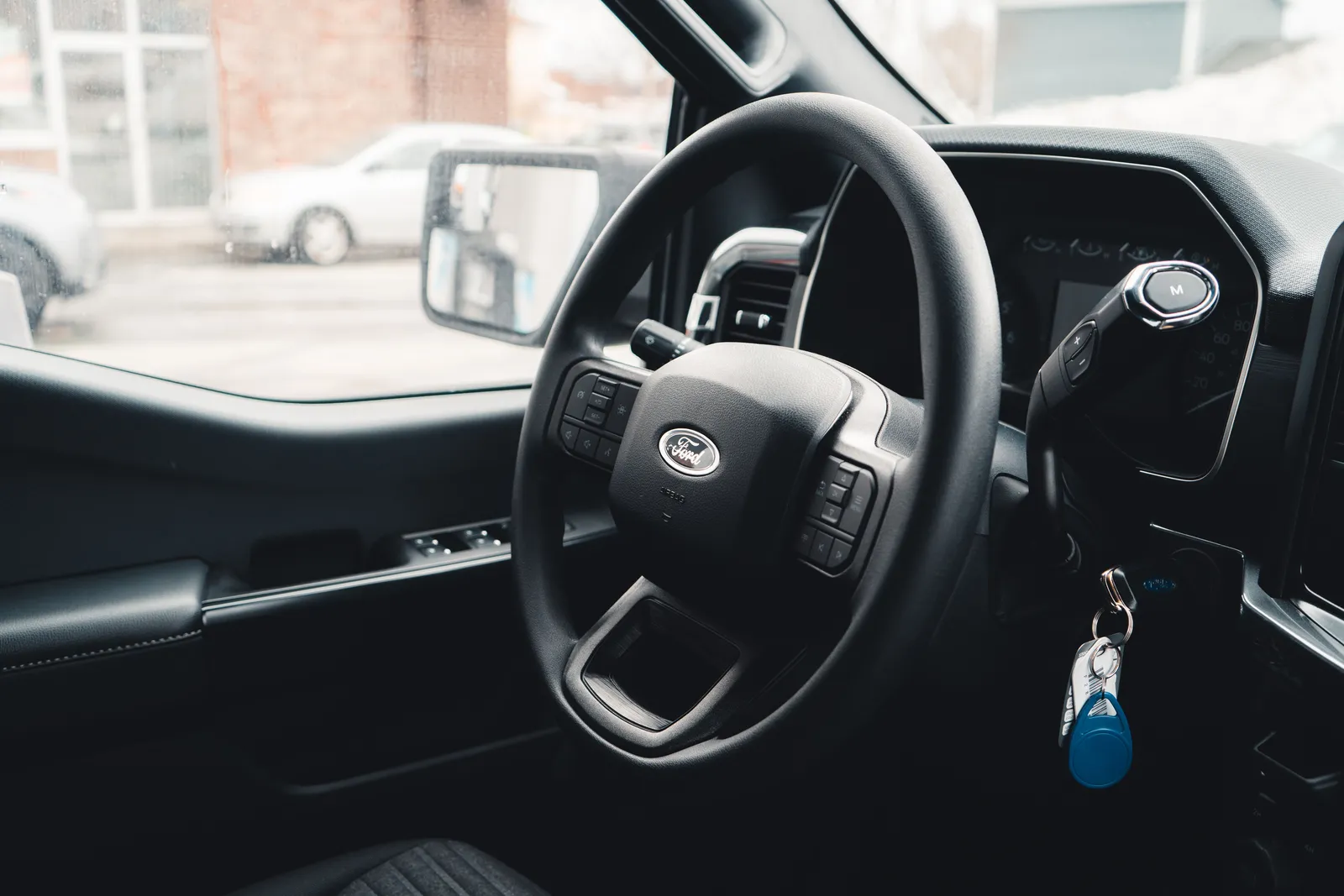
- Find the hidden key now. Most proximity fobs hold a small mechanical blade, released by a button or slider. On many push-button-start cars the matching keyhole sits behind a plastic cap on the driver's door handle. Find both in daylight, not at night in sleet.
- Change the battery before the cold arrives. If the range has been shrinking, the battery is going.
- Mind the salt. Road salt is on everything from December to March, and it works into door handles and cylinders. A shot of dry lubricant made for locks in the autumn keeps the wafers moving. Skip heavy oil, which goes thick in the cold.
If the fob is lost or broken rather than frozen, that is a different job. Here is what replacing a fob or transponder key involves.
Larchmont, White Plains and the cars in between
In Larchmont, plenty of cars spend winter nights on the street or in the Metro-North station lot, in the wind off Long Island Sound. Two of our three technicians live in Larchmont, so a frozen-car call there is close to home, with Mamaroneck and New Rochelle next door and Rye and Harrison a short drive beyond. If you want a Larchmont locksmith for a car or a house, save the number below.
White Plains has a different winter routine: downtown garages, street parking near the office towers, and commuters coming back to cold cars at the station. If you need a locksmith in White Plains for a car you cannot get into, the same advice and the same phone number apply.
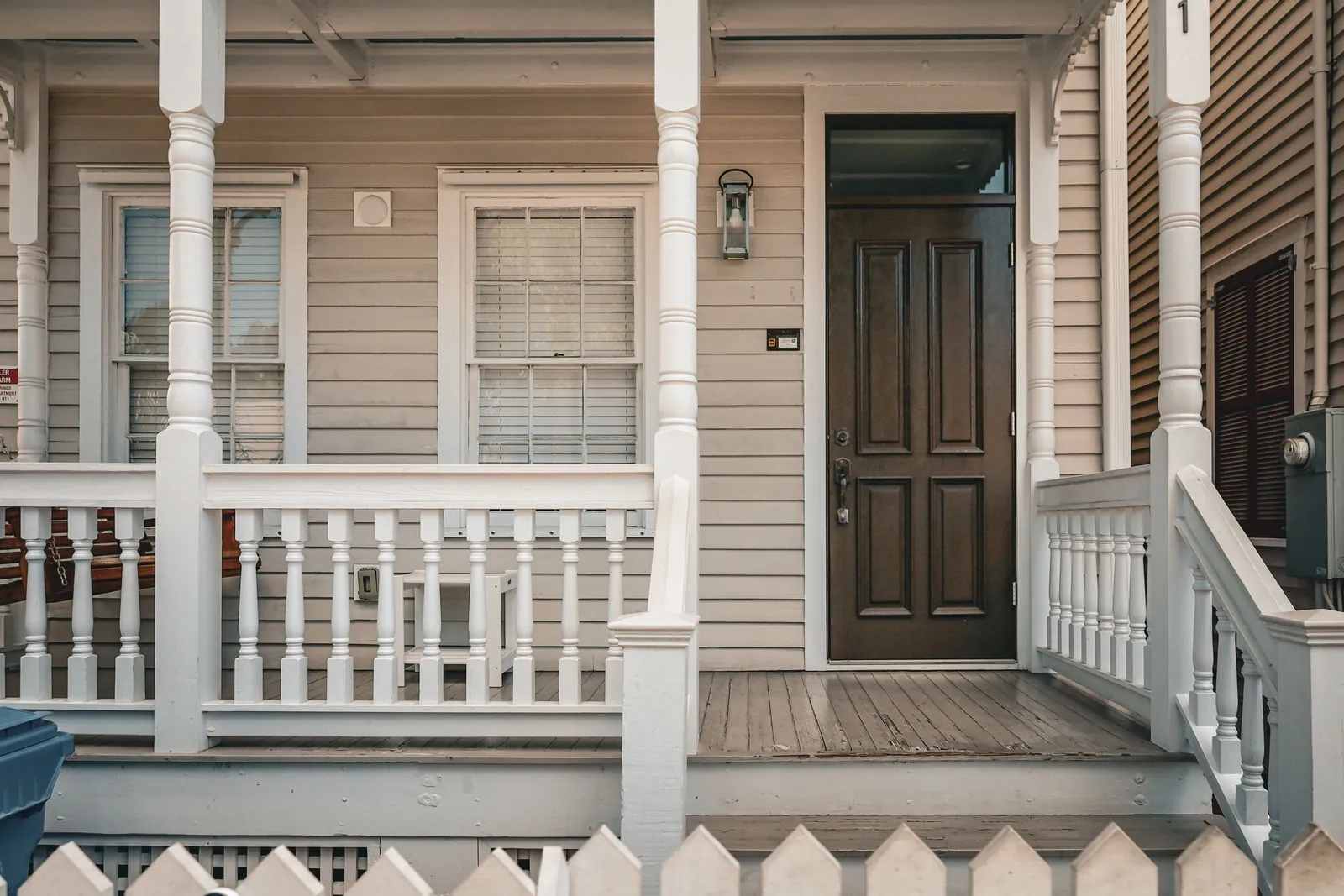
The cold stiffens the front door lock at home too. Give each exterior cylinder a shot of lock lubricant in the autumn, and if you have just moved, read up on rekeying the locks on a house you just bought.
Frequently asked questions
Can I use hot water on a frozen car lock?
No. Hot water melts the ice for a moment and then refreezes inside the lock and the door seal, usually worse than before. On a very cold day it can also crack the glass. Use lock de-icer or a warmed key instead.
Why does my key fob stop working in the cold?
Coin batteries lose strength in the cold, and a battery that was already weak gives up first on a freezing morning. Warm the fob in your pocket and hold it close to the door. If it keeps happening, replace the battery.
When should I call a locksmith for a frozen car?
Call when the keys are locked inside, a key has broken in the cylinder, or nothing you try will open any door. Have the make, model and year ready, and be ready to show ID and the registration once the car is open.
If you are stuck beside a frozen car anywhere on the Sound Shore or in central Westchester, call (914) 255-6611 at any hour.